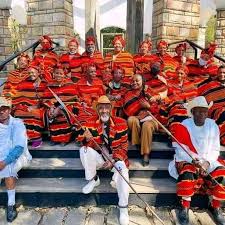
“Gamo Dunguza” is a multifaceted term that encompasses both a profound cultural concept and a tangible landmark in the Gamo Zone, particularly in Arba Minch.
Gamo Dunguza: Cultural Significance
At its core, “Dunguza” represents a vital element of the traditional Gamo administrative and justice system, deeply rooted in their indigenous knowledge and values. It is often synonymous with Dubusha, a highly respected and sacred place or forum where the Gamo people historically, and to a certain extent even today, resolve disputes and manage community affairs.
Key aspects of its cultural significance include:
-
Traditional Governance and Justice: Dunguza (or Dubusha) serves as a traditional “court” or assembly where elders, known as Halekas, and the paramount leader, the Kawo (king), preside. They apply customary laws, known as Dere Woga, to guide decision-making and ensure social harmony. This system emphasizes dialogue, consensus, and restorative justice, aiming to reconcile parties and maintain community cohesion.
-
Community Deliberation and Decision-Making: It’s a central gathering place for the community to discuss important issues, make collective decisions, and address both minor and major concerns impacting their lives.
-
Cultural Preservation and Transmission: Traditional ceremonies and rituals, such as the “Yo Masqala holiday” and “Sofa ceremony” (related to marriages), often take place at Dunguza. These events are crucial for reinforcing community bonds, transmitting cultural knowledge to younger generations, and ensuring the continuity of Gamo traditions.
-
Symbolism of Respect and Blessings: The place of Dunguza, particularly the Dubusha Fash (the seat of the Kawo), is considered sacred. Rituals involving the application of honey and butter symbolize blessings and prosperity for the community, highlighting the Kawo’s role in their well-being.
-
Emphasis on Truth: In Dunguza meetings, the telling of truth is paramount. Improper behavior like lying is considered a violation of taboos and believed to bring misfortune.