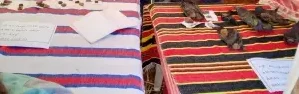

Conflict management methods፡– the Zayse nations has traditional conflict resolution culture, that is inherited from forefathers. When conflict arises and crimes occur, the Maaga orders the Sorofa of the territory to check where crime took place. The Sorofa brings the criminal before the traditional court. Wise elders investigate the case with care. After investigation the victim is compensated and gives mercy to offender. If the case is murder, looting house, physical harem, abduction and the like the issues are presented to Kaat and his consulting Maagas. The Kaat, consulting Maagas, Sorofa and elders discus and bring Jesuits. A place that issues are discussed in Zayse is called Gura. Gura: – this is a place where elders, Maagas and Kaat discuss society’s problems and make solutions. They also use this place as a playing and refreshing site. The Maagas sit on stones which have been seats of their forefathers. Issues are discussed by elders; the plaintiff appeals his case to Sorofa. The Sorofa talks about the issue to the Maaga. If they succeed, the elders arrive at solution through arbitration. If not the Maaga convinces both party. The Maaga takes a seat on a stone while the Sorofa and elders take seats on ground to express their status is below the Maaaga. The Maaga orders the Sorofa and the elders to make decisions about the case. The elders report to officials how the whole process takes place. At the meeting headed by Maaga, first the youngsters then the elders suggest decisions. Finally the Maaga makes decision. This is the end of the jurisdiction procedure. The conflict management proses are led by Maaga it is takes place in a place called Guta Gura. The Maaga could assign village head, Sorofa and elders who solve problems like stealing, adultery and other cases in his domain. Well known men are also included. If the Maaga failed to settle a problem, he takes the case, with elders, before the Kaat. The Kaat decision is the final one. And it is takes place in a place called Martta Gura. Traditionally an elder may insult his junior when he misbehaves or fails to do what was ordered by his senior. Elder brother often acts as a head of the family in the absence of his father. But if a younger brother insults his elder brother, people stand against the younger and he is regarded as a naughty. The younger brother, therefore, had to beg pardon from his elder brother. Customarily he kisses his elder brothers feet implying request of apology. When ones crop is grazed by another person’s animal, the person whose crop is destroyed by the animals shows the damaged crop to the people around. The men who saw the person whose crops destroyed blesses the man whose crop is destroyed saying; “let God help you regain what you have lost”. This is regarded as a good blessing opportunity for the loser but a curse; people take care of their cattle seriously so that they may not graze someone’s crop. When ones cattle graze others crop the former wouldn’t predicate the animal but the man who harms others crop pays money as compensation through elders. Most of the time in the Zayse culture compensation does not received. Conflict between husband and wife is seriously handled not to end up in divorce. Elders often carefully investigate the cases of the conflict. When the elders find the cause of the conflict is minor, they negotiate the spouses to live together. If a woman opposes the elders decision and her fault is found to immense. The case goes to the head of the Indir Maaga ´woman affairs´ and the head may punish her. However, if the case of the conflict is concluded to be the fault of the husband by the elders and arbiters, the husband pays as indemnity money for the Kaat, Maaga and his father in-law. To get pardon from his wife, he brews sena modo ´local beer´ with the help of his neighbors and he invites his wife and others to drink the sena. The woman then returns to her home peacefully and with respect. Murder is a serious crime to be handled with special care. When someone kills a person, the case is brought to the Kaat. Final decisions are made at Matta. The elders, Maagas and the Kaat strive to avoid revenge and scrutinize whether the murder was deliberate or an accident. If a murder was by accidental, they convince the victims’ group members that it was an accidental and the arbitration is made peacefully. If the murder was found to be a deliberate, the conflict management chiefs often led by Salile Maaga, preform ritual at the presence of the victims and murderers families. The two groups come to gather in front of Kaate, Maaga and elders and say now on wards we are friends. The Maaga makes statement “do not eat and drink holding a grudge, the past is over, remember you are fellow men”. In this way the conflict resolution ritual is concluded. If a man does a crime repeatedly, people make petition that his case should be considered seriously. The criminal of such is hanged by Buse maaga. The public welcomes this type of measure. If the people of the criminal thought they were unfairly treated before the law of the Maaga, they bring their case to the Kaat at Marta. The Kaat convenes the two party’s case through careful scrutiny of the cause of the crime and solve it. Both groups say “we all are Kaats people” the penalized man’s group is now free and peace is settled. The victims group will not take blood price. The arbitration by the Kaat guarantees peace and it helps price. The arbitration by the Kaat guarantees peace and it helps to avoid grudge. Seara: – elders decision has always been accepted in the society. But ether party in conflict opposes and does not agree to arbiters’ decision; the man in question is
Gamo Dunguza
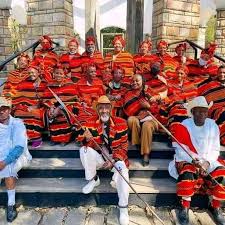
“Gamo Dunguza” is a multifaceted term that encompasses both a profound cultural concept and a tangible landmark in the Gamo Zone, particularly in Arba Minch. Gamo Dunguza: Cultural Significance At its core, “Dunguza” represents a vital element of the traditional Gamo administrative and justice system, deeply rooted in their indigenous knowledge and values. It is often synonymous with Dubusha, a highly respected and sacred place or forum where the Gamo people historically, and to a certain extent even today, resolve disputes and manage community affairs. Key aspects of its cultural significance include: Traditional Governance and Justice: Dunguza (or Dubusha) serves as a traditional “court” or assembly where elders, known as Halekas, and the paramount leader, the Kawo (king), preside. They apply customary laws, known as Dere Woga, to guide decision-making and ensure social harmony. This system emphasizes dialogue, consensus, and restorative justice, aiming to reconcile parties and maintain community cohesion. Community Deliberation and Decision-Making: It’s a central gathering place for the community to discuss important issues, make collective decisions, and address both minor and major concerns impacting their lives. Cultural Preservation and Transmission: Traditional ceremonies and rituals, such as the “Yo Masqala holiday” and “Sofa ceremony” (related to marriages), often take place at Dunguza. These events are crucial for reinforcing community bonds, transmitting cultural knowledge to younger generations, and ensuring the continuity of Gamo traditions. Symbolism of Respect and Blessings: The place of Dunguza, particularly the Dubusha Fash (the seat of the Kawo), is considered sacred. Rituals involving the application of honey and butter symbolize blessings and prosperity for the community, highlighting the Kawo’s role in their well-being. Emphasis on Truth: In Dunguza meetings, the telling of truth is paramount. Improper behavior like lying is considered a violation of taboos and believed to bring misfortune.
Zagala Dubusha
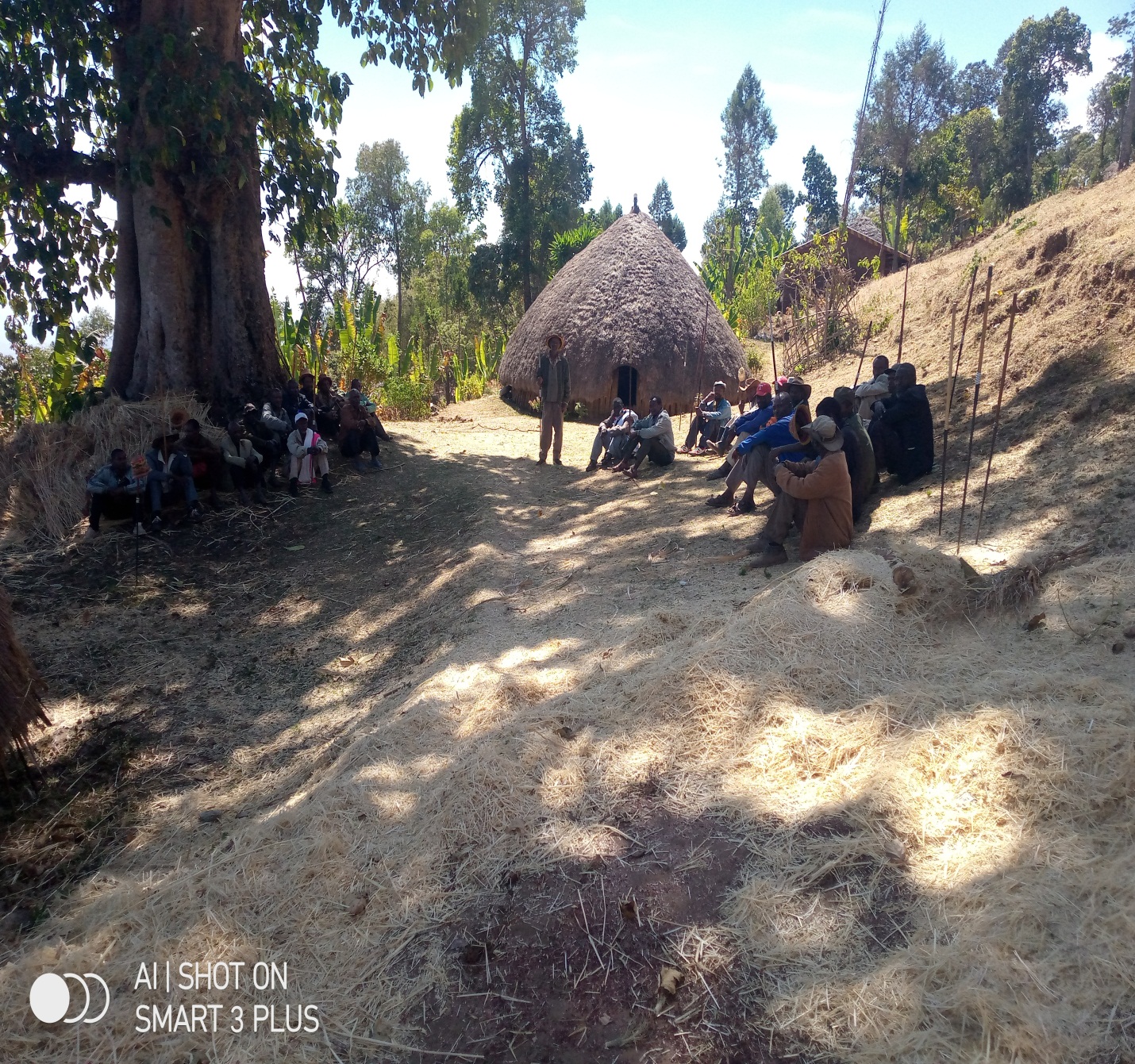
Zagala Dubusha is a place where clans clash with clans. So Settle disputes through dialogue and it will be led by the Maga. If there is a chance that they will have difficulty in solving the problem. ButThe matter will go to the knight. Also According to the tradition, and the knights take the case to Della Dubusha. Because It take a deep look at the problem and give a fair decision and end it peacefully.
Sata Dubusha
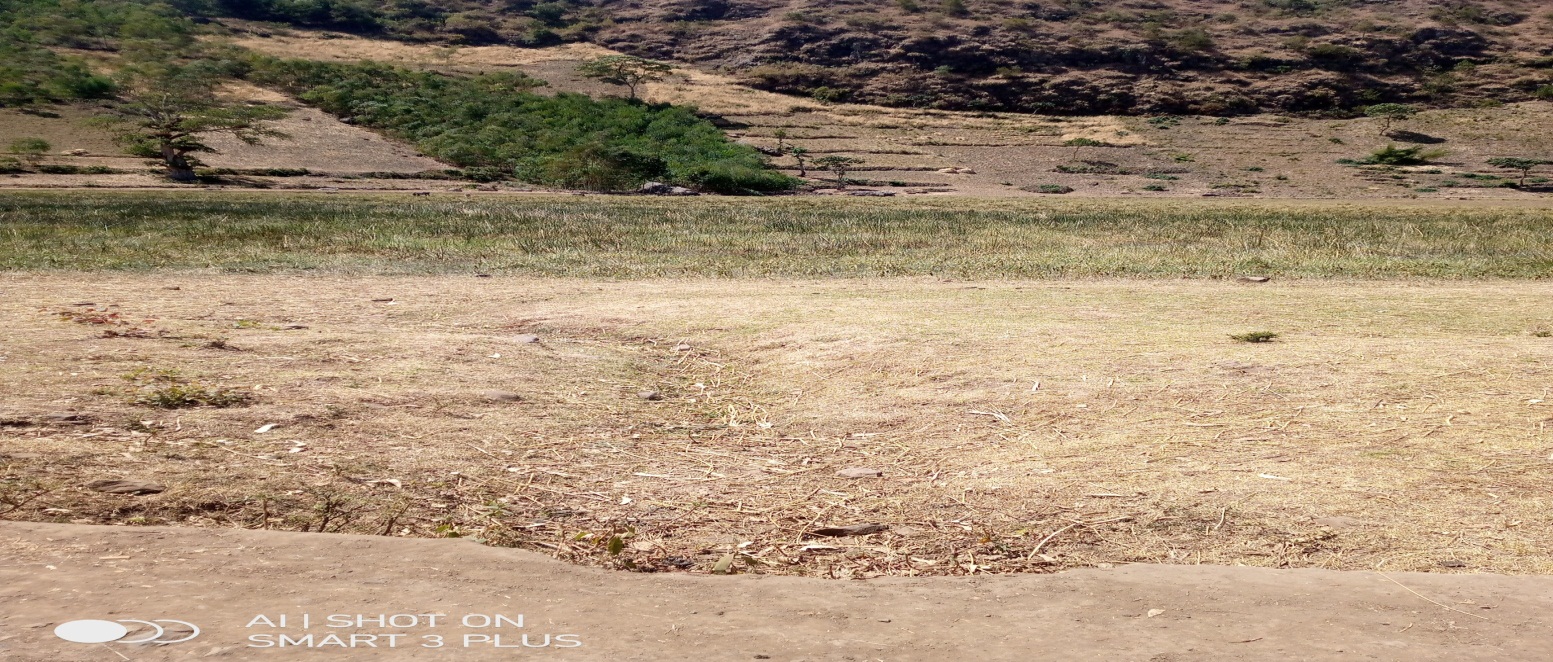
Sata Dubusha located on the border of Ganta community and Zigti community and is 23 km away from Arba Minch. When there is a dispute between the two communities. It is the place where the reconciliation ceremony will be carry out under the leadership of Oge Magau. The reconciliation ceremony will be resolved in a peaceful way. There is a gaya/traditional shisha/ who is bury upside down in the place. On both sides of the border and cross the border and dares a woman, does mischief. Every year, a slaughtering ceremony is hear because a good wish that both communit pass each year in peace.
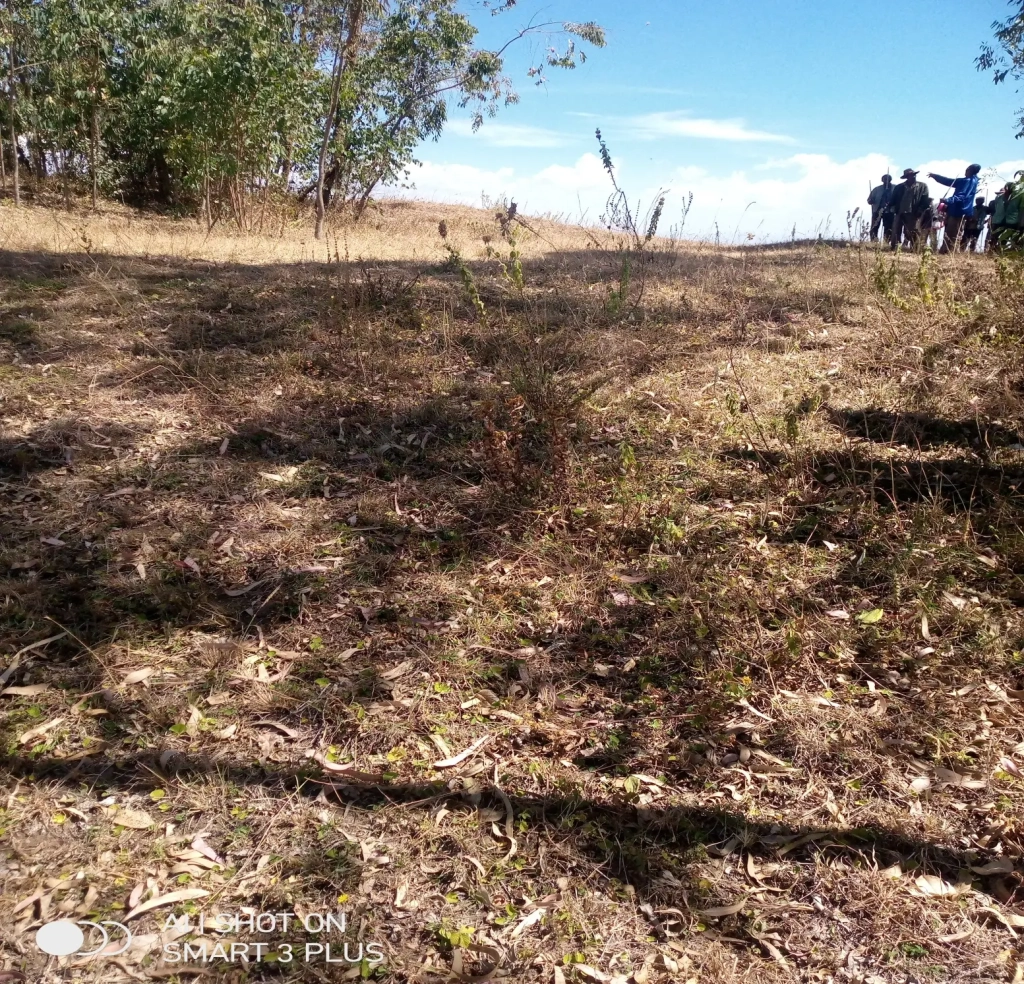
Mandido Dubusha
Mandido Dubusha is located in Ganta Bonke kebele and it is 24 km from Arba Mojan town. When the service comes from Dhella Dubusha. The people will wait at the Gadho Dubusha as described above. This will join the crowd and perform the ceremony in the same way as Della Dubusha. Although it is not intentionally protectes, the society sees it as part of itself. Mandido Dubusha is located in Ganta Bonke kebele and it is 24 km from Arba Mojan town. When the service comes from Della Dubusha, the people will wait at the Gado Dubusha as described above, then the Mandido Dubusha will join the crowd and perform the ceremony in the same way as Dhela Dubusha. Although it is not intentionally protectes, the society sees it as part of itself. Mandido Dubusha is located in Ganta Bonke kebele and it is 24 km from Arba Mojan town. When the service comes from Dhella Dubusha. The people will wait at the Gadho Dubusha as described above. Then the Mandido Dubusha will join the crowd and perform the ceremony in the same way as Della Dubusha. Although it is not intentionally protected, the society sees it as part of itself. Mandido Dubusha is located in Ganta Bonke kebele and it is 24 km from Arba Mojan town. When the service comes from Della Dubusha, the people will wait at the Gado Dubusha as described above, then the Mandido Dubusha will join the crowd and perform the ceremony in the same way as Dhela Dubusha. Although it is not intentionally protectes, the society sees it as part of itself. located in Ganta Bonke kebele and it is 24 km from Arba Mojan town. When the service comes from Dhella Dubusha. The people will wait at the Gadho Dubusha as described above. This will join the crowd and perform the ceremony in the same way as Della Dubusha. Although it is not intentionally protected, the society sees it as part of itself. It is located in Ganta Bonke kebele and it is 24 km from Arba Mojan town.
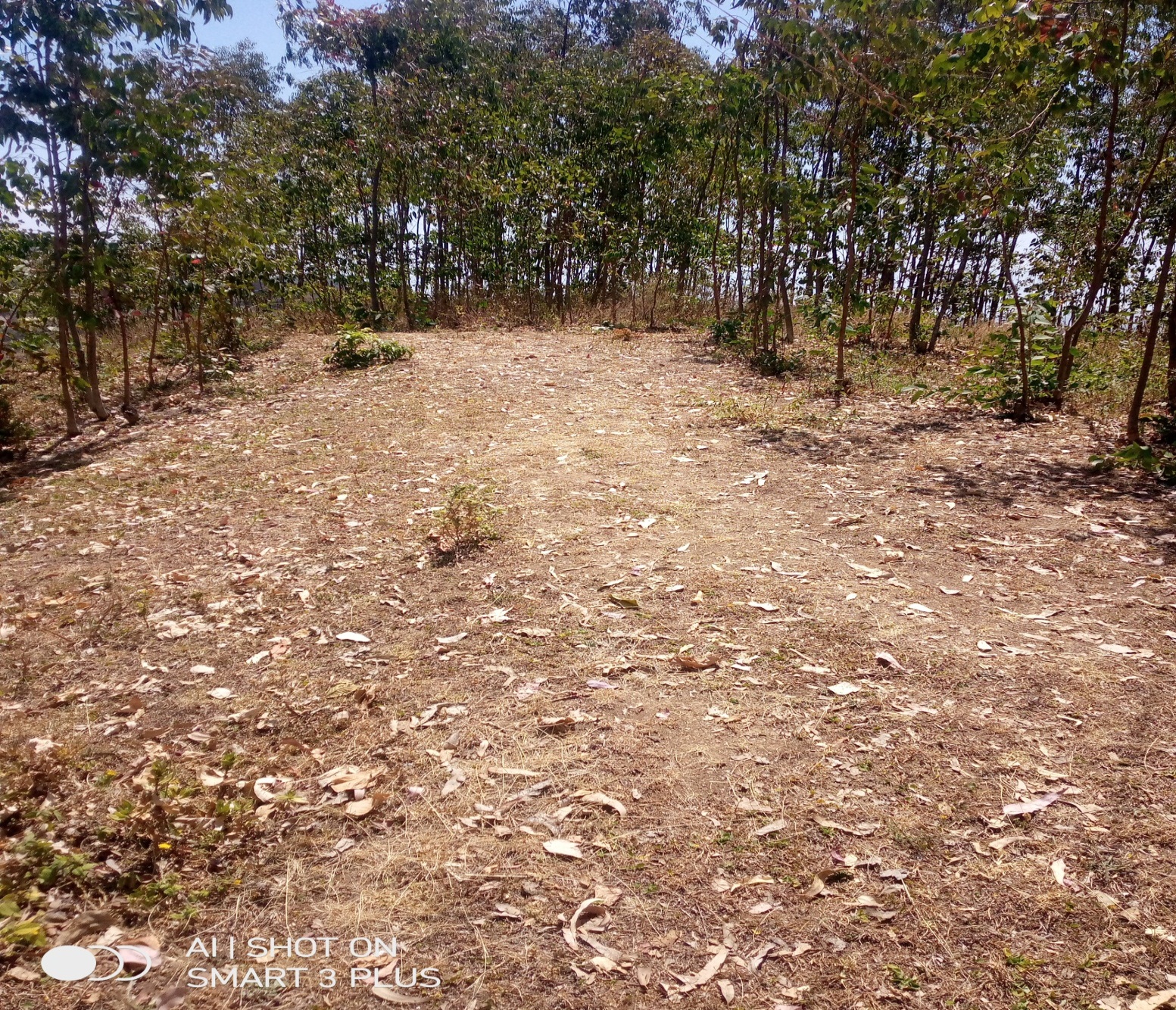
Gadho Dubusha
Gadho Dubusha is located in Ganta Bonke Kebele, 22 km away from the city of Arbaminc, and the service. where the knights rest when they return from Dela Dubusha and when there is disease, famine, pestilence among the people. they take grass, barley flour, water and add water to the flour and put the hand-held grass on the ground. It falls on the grass that has been disturbes. The interpretation is that it will cool down. The disease will return, the grain will sprout, and it is believe that the anger that came will disappear and then the journey will continue to Mando… Gadho Dubusha is located in Ganta Bonke Kebele, 22 km away from the city of Arbaminc, and the service. where the knights rest when they return from Dela Dubusha and when there is disease, famine, pestilence among the people. they take grass, barley flour, water and add water to the flour and put the hand-held grass on the ground. It falls on the grass that has been disturbes. The interpretation is that it will cool down. The disease will return, the grain will sprout, and it is believe that the anger that came will disappear and then the journey will continue to Mando…
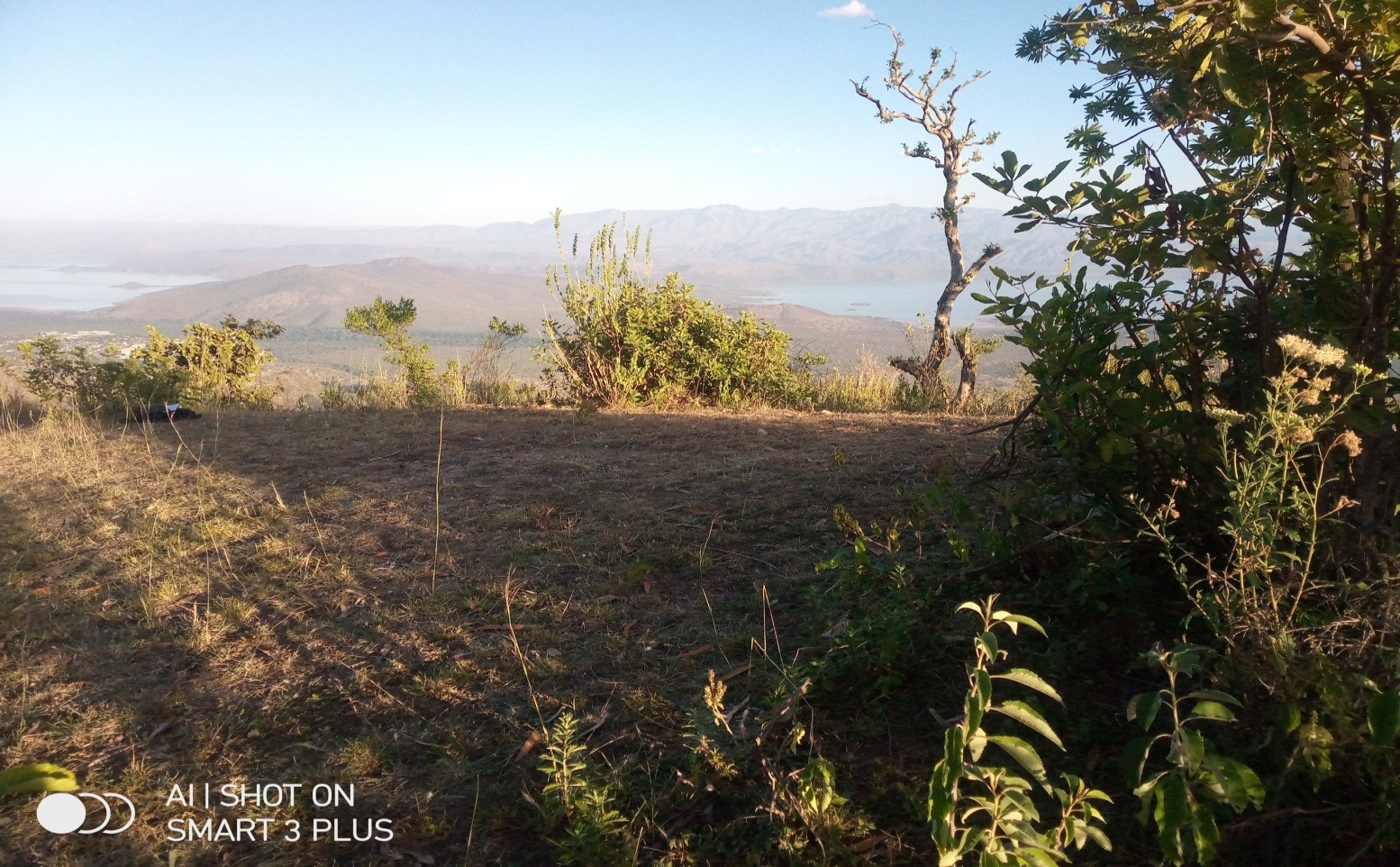
Gaata Dubusha / Sacrifice Place
Gaata Dubusha / Sacrifice Place: This Dubusha place is the place where the nobles and their families make sacrifices. When It is the highest mountain in the area and shows most of the area. The nobles and their families are standing in the place where they are standing. Blessings abound, illness disappears, hunger disappears. The knight prayed and said, “Accept the sacrifices brought by the God of their fathers.” The reason is that when the sun shines, the Creator brings rain. A goat is slaughtered and its bowels are read. If there is a problem when the bowels are read, it is believed that hunger, sickness…will happen. Finally He has the idea that he should go away like the goat, and the knights and his families who were present at the place would eat what was slaughtered. Gaata Dubusha / Sacrifice Place This Dubusha place is the place where the nobles and their families make sacrifices. It is the highest mountain in the area and shows most of the area. The nobles and their families are standing in the place where they are standing. Blessings abound, illness disappears, hunger disappears. The knight prayed and said, “Accept the sacrifices brought by the God of their fathers.” The reason is that when the sun shines, the Creator brings rain. A goat is slaughtered and its bowels are read. If there is a problem when the bowels are read, it is believed that hunger, sickness…will happen. He has the idea that he should go away like the goat, and the knights and his families who were present at the place would eat what was slaughtered.
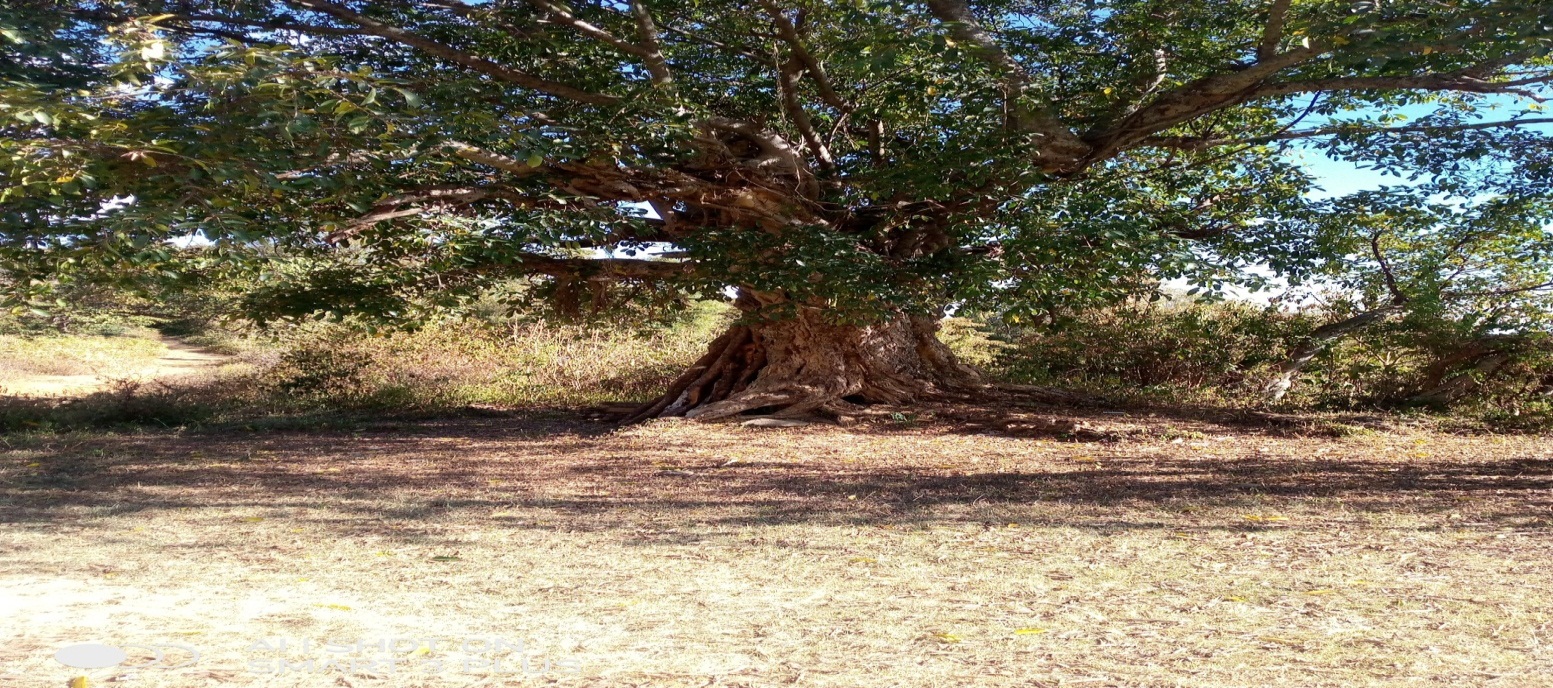
Belibela Dubusha
Belibela Dubusha disagreements can occur in any situation. Therefore, any problem can be solved in this blessed place. For example: Even if a human life is lost in a sudden incident. When both parties sit down and discuss their problems. Then there will be a sheep slaughtering program. The grain seeds offered by the Balabatu, such as barley, wheat, cabbage… are eaten literally. It means that even if it is ripe, it is not allowed because it is dead/dead. Because even if it is sown, it will grow many times. It is like saying, “Let’s go to the market.” The special feature of this Dubusha place is that a person who has been imprisoned for various reasons and released before rejoining the community makes peace with the victim, but does not join the people because the victim or the victim’s family can attack him. Both parties sit down and discuss their problems with the Balabatu/Magaw. What is surprising is that this system cannot be practiced in any of the Dubusha sites in the Ganta community except this one Dubusha site, and even if there are Dubusha incidents in other places, they will bring the matter to this sacred site. Belibela Dubusha disagreements can occur in any situation. Therefore, any problem can be solved in this blessed place. For example: Even if a human life is lost in a sudden incident. When both parties sit down and discuss their problems. Then there will be a sheep slaughtering program. The grain seeds offered by the Balabatu, such as barley, wheat, cabbage… are eaten literally. It means that even if it is ripe, it is not allowed because it is dead/dead. Because even if it is sown, it will grow many times.
Mixa Dubusha
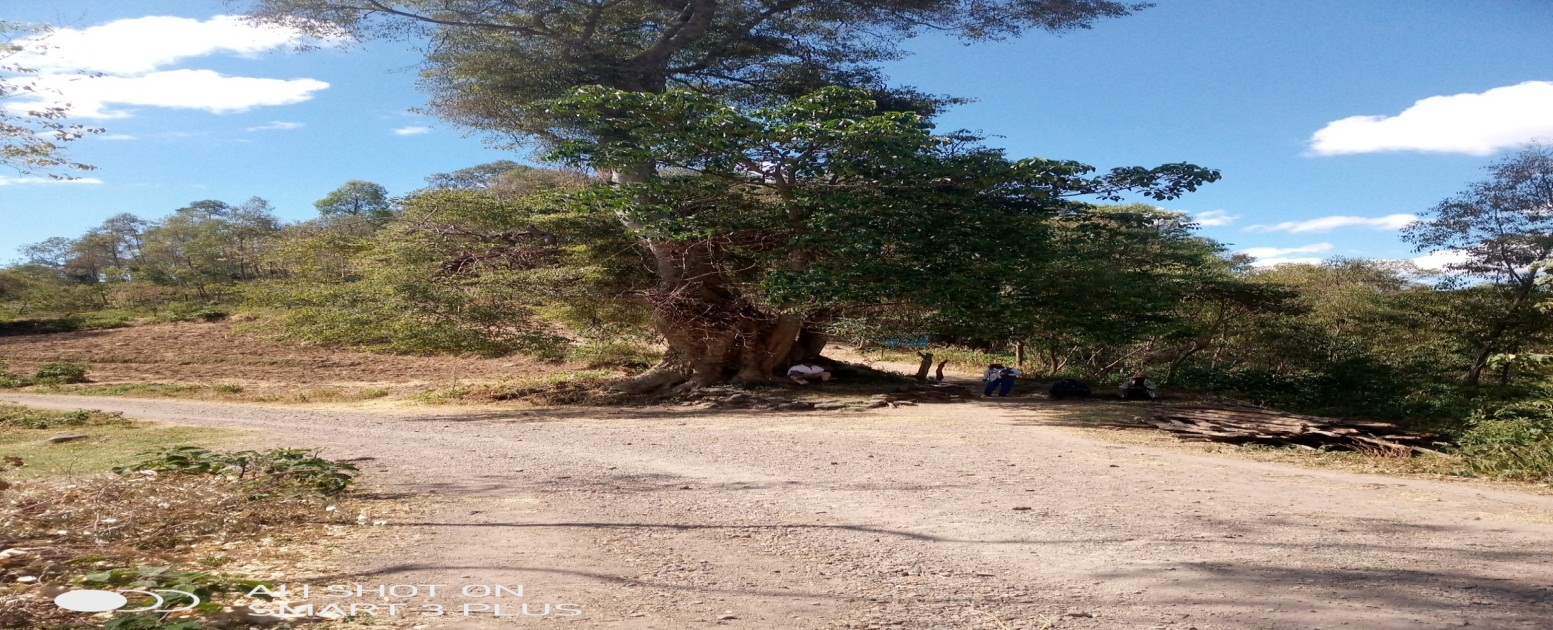
Mixa Dubusha It is the meeting place of the four Genta kebeles. And before the reconciliation ceremony begins. All the traditional elders sit down on a piece of wet grass near the place. The meaning is not only because grass is wet. But also because it is associated with abundance and prosperity, which means that our environment is wet and prosperous. When there is a conflict, when there is a disagreement. They meet in this meeting hall, and it is believed that the reason. It is in a tree is because it is a shadow, and because a tree is a symbol of blessing. Mixa Dubusha Every year, a goat is slaughtered in Ochole Maga. And since it is his territory, no one except him can slaughter it here. The reason is that it is not only a sacrifice to the creator, but also a way to pray and thank the creator for rain, to be full, to prevent illness, to prevent plagues from coming… but also to ward off anger, hunger, plagues… because they are believed to come in a satanic way. In this place, all entities have their own place to sit, for example: If the owner is not available for some reason, the Maga can sit in his place, but no one except him can sit there, and the ritual is performed through the Maga. The meaning is not only because grass is wet. But also because it is associated with abundance and prosperity, which means that our environment is wet and prosperous. When there is a conflict, when there is a disagreement. They meet in this meeting hall, and it is believed that the reason. It is in a tree is because it is a shadow, and because a tree is a symbol of blessing.
Shoshine Dubusha
Shoshne Dubusha is located in Ganta Kanchama Ochole Kebele and its service area is close to the market, making it a meeting place for everyone. Therefore, when there is a conflict between kebeles, between individuals, between tribes, etc., reconciliation is carry out here. When the chieftain receives his kingship, he comes to Shoshne Dubusha dancing and singing. What is most interesting is that if the Kawo/Balabatu come and sit on a market day, everything is believe to be pollutes. Women/mothers will eat it with joy. But the seller will complain/repudiate it because it is pollutes. The chieftain, the magaw… have their own seats and no one else sits except them because they think it will cause trouble. Since the Dubsha is naturally protect by a tree, two bamboo poles are place on the top of the tree. When a plague, disease, etc. Occurs in the community, a sheep/goat/ox… is slaughtere. And the blood is sprinkle on the top of the poles and tied to the tree. The meaning is removes that the disease, plague, famine… . It will be cools /the coming plague will disappear….