
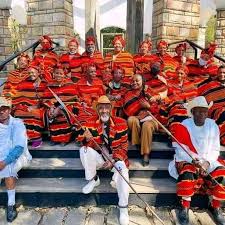
“Gamo Dunguza” is a multifaceted term that encompasses both a profound cultural concept and a tangible landmark in the Gamo Zone, particularly in Arba Minch. Gamo Dunguza: Cultural Significance At its core, “Dunguza” represents a vital element of the traditional Gamo administrative and justice system, deeply rooted in their indigenous knowledge and values. It is often synonymous with Dubusha, a highly respected and sacred place or forum where the Gamo people historically, and to a certain extent even today, resolve disputes and manage community affairs. Key aspects of its cultural significance include: Traditional Governance and Justice: Dunguza (or Dubusha) serves as a traditional “court” or assembly where elders, known as Halekas, and the paramount leader, the Kawo (king), preside. They apply customary laws, known as Dere Woga, to guide decision-making and ensure social harmony. This system emphasizes dialogue, consensus, and restorative justice, aiming to reconcile parties and maintain community cohesion. Community Deliberation and Decision-Making: It’s a central gathering place for the community to discuss important issues, make collective decisions, and address both minor and major concerns impacting their lives. Cultural Preservation and Transmission: Traditional ceremonies and rituals, such as the “Yo Masqala holiday” and “Sofa ceremony” (related to marriages), often take place at Dunguza. These events are crucial for reinforcing community bonds, transmitting cultural knowledge to younger generations, and ensuring the continuity of Gamo traditions. Symbolism of Respect and Blessings: The place of Dunguza, particularly the Dubusha Fash (the seat of the Kawo), is considered sacred. Rituals involving the application of honey and butter symbolize blessings and prosperity for the community, highlighting the Kawo’s role in their well-being. Emphasis on Truth: In Dunguza meetings, the telling of truth is paramount. Improper behavior like lying is considered a violation of taboos and believed to bring misfortune.
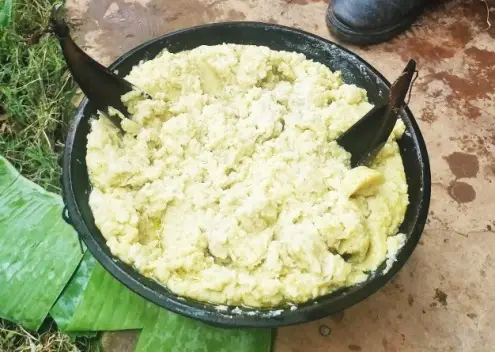
Traditional foods of the Zayse ethnic group and their methods
Traditional foods of the Zaise ethnic group and their methodsThe Zaise ethnic group has its own traditional foods. The ingredients used for the preparation of traditional foods are mostly locally produced. Due to the fact that the ethnic group has a mountainous. And mountainous climate, various sugarcane crops, legumes, roots, fruits and vegetables, as well as spices are widely grow. Since the economy of the community is based on mixed farming, animal products. Such as milk, butter, meat, cheese and eggs are use as a basic ingredient in the traditional food of the Zaise community. In addition to being a flavoring and seasoning. Traditional foods of the Zaise ethnic group and their methods Since the farmers have been keeping bees in a traditional way since ancient times. Honey is use as a medicine in the ethnic group’s food culture, according to the elders of the nation’s history. It has been tried to mention above that the ingredients needed to prepare traditional food of the Zayse ethnic group are widely produced locally. We can see the recipes of the crops grown locally and the traditional dishes prepared from them as follows: GaaGaa is one of the popular traditional foods of the Zayse ethnic group. Since many ingredients are needs to prepare Gaa, the preparation takes a long time. The ingredients needed to prepare this popular traditional food are Idira /corn/, Itimua /bula/, Acho /meat/, Dilla /corn or sorghum flour/, Doko /cabbage/ and Shailo /flat white boloke/. Before the food is prepares and serve, various spices are adds. Butter is adds hot, which adds to the taste and sweetness. Making it not only delicious to eat but also attractive to look at. Gaa is not always prepare on the day of the feast in the Zayse food culture. Rather, it is a dish prepares for holidays, weddings, when a black guest comes to the house, and other occasions. The preparation process is time-consuming and can take up to half a day. Since the preparation of Gaa requires a lot of skill, it is a traditional dish of the Zaise ethnic group that requires experience to make well. Kode Kode (porridge) is made from corn, barley or teff flour mixed with rice flour. The process is similar to boiling milk in a pot and adding the flour until it is cooked. When cooked, it is served hot with various spices and butter. Kode is often served to brides and grooms during their wedding receptions. It is also prepared as a highlight for various festivals. Kode is one of the traditional dishes that is often served on the day of the wedding. BamE BamE is a food that is prepared almost every day in the Zaise ethnic group’s food culture. The process of preparing BamE begins with chopping cabbage, which is called ‘Doko Aicho’. The chopped cabbage is mixed with necessary ingredients such as bulgogi or adenguare, potatoes and meat and stewed. The stew is kept simmering. Among the ingredients needed to prepare BamE, corn or sorghum flour is mainly needed, and it is first boiled without boiling. The process of boiling is called ‘Zeo’ in the ethnic group’s pronunciation, and the boiled flour is then boiled in small quantities. The process of boiling is called ‘BamE BamE’. The boiled BamE is added to a pot and cooked together with the boiled cabbage. Finally, when it is cooked, it is turned over and butter is added to the ‘Gonge’ in the oven. This process is known as ‘Wereke’ and is the final step in the process of making Bam. Tsuluqa The preparation and ingredients of Tsuluqa are not different from those of Buba and Bama. However, the amount of Tsuluqa is very small. This is not common compared to Bama because it takes a long time to prepare. Tsuluqa is a delicious food of the Zayse ethnic group because it is prepared with time and the ingredients are complete. Bora Bora is made from corn, teff, and sorghum flour. After the aforementioned grain is ground and fermented, it is spread on a cob leaf and spread on a pan, turned over, and when it is cooked, it is eaten using various fillings. The fillings can be raw meat, cabbage, milk, honey, etc. Bora is made at any time and served with various traditional dishes of the nation. Bora is said to have been popular among herders. Herders live in a pasture with their cattle. Animal products are their main food. Bora is easy to make and goes well with milk, making it their preferred food. Utuka Utuka is made mainly from corn or sorghum flour. The flour is kneaded and kneaded and then fried or fried. The size of utuka is much larger than the above-mentioned bam, buba and tsuluqa. The reason for this is that the food is cooked faster and the time it takes to fry is reduced, according to mothers. To prepare utuka, first, ingredients such as cabbage, potatoes, and bolokina are cooked in a ‘pot’ (a rice cooker) and then the fried utuka is added on top and cooked. Utuka is specially prepared with sega. When the bone meat is cooked, the fried utuka is added on top. It is very popular to cook it this way. When it is cooked, it is ready to eat by removing it and mixing various prepared seasonings such as garlic, ginger, and cumin with butter. Kaie Acho (Raw Meat / Cut) Raw meat is one of the most popular foods in the Zayse cuisine. It is usually eaten for festivals, weddings, reconciliation, various events, for black guests and during mourning periods. Raw meat is not only prepared to celebrate festivals and special events, but also as an obligatory part of the Zayse traditional diet. To eat raw meat, a bread called ‘bora’ is made from corn and maize or sorghum flour and is used as a dip. In addition, there are various types of pickles in the area, which are mixed with
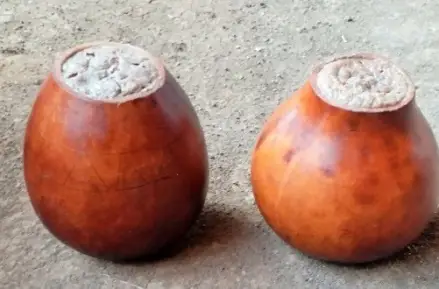
Traditional Drink of the Zayse ethnic group and their methods
The Zayse community has its own traditional drink. Traditional drinks are prepared for social occasions. Mainly for festivals, weddings, community work ‘Dago’, mourning ‘Bochocha’, days of mourning and various social events. In the Zayse community, drinking together is given a special place and meaning, just like eating together. Drinking together is a way to develop and strengthen social relationships. Regardless of gender and age, they gather together at social events and strengthen their friendship. This drinking process is known as “Aiso”. Aiso is a drinking situation where two friends drink from the same cup at the same time and in the same breath. In this way, two people show and develop their friendship when they drink together. In addition, the tradition of eating and drinking together, both in times of joy and sorrow, has been passed down from generation to generation and has reached the present day. There are various traditional drinks in the Zayse community, and we will see them as follows. Modo (Borde) ‘Modo’ is an ancient traditional drink of the Zayse ethnicity. It is made from corn and sorghum flour and malt is added. This is called ‘Mase Modo’. Modo, which is prepared through several processes, is said to be popular. When we look at the process of preparing Modo, first the sorghum flour is ground and boiled in water. The curd that is made in water is called ‘samosa’ in Zayse. When the boiling process is complete and it is confirmed that it is cooked, it is taken out of the huge boiling pot and served with a wide plate. A wooden masha called ‘Samusa Pule’ is used to make the kurkufa easier to break and knead. When the kneading process is complete, it is kept indoors to allow air to circulate. It is then kneaded. The next day, it is placed in a jar and the mouth is closed, and a mixture made from sorghum or corn flour mixed with boiling water is added to it and left in the jar until it reaches a soft consistency. It is kneaded after two to three days, depending on the weather. Then it is served according to the user’s preference, while kneading it with hot water. Since Modo is made with a thick consistency, it is also consumed as a drink. Modo is usually prepared for weddings and festivals, and during mourning, it is prepared and taken to the house of the deceased, which is called “bochocha”. In addition to being a drink, Modo is also used to comfort the mourner and to entertain guests who have come to mourn. It is widely prepared for festivals, social events such as feasts and feasts. In addition, it is also prepared for sale and offered in the market. The content and taste of Modo are considered important, and when ingredients that enhance the taste such as cabbage and fenugreek are added to the prepared grain, its popularity increases. There are types of Modo made from barley, corn, and other grains without malt. Kayla /Shda Modo/ Shda Modo, as the name suggests, literally means ‘Shda Modo’ /Honey Borde’. Modo is a popular traditional drink prepared by mixing honey with well-prepared ingredients. Kayla is a traditional drink that is highly appreciated by the Zayse community because it contains honey. Like Modo, Kayla is prepared for various social occasions and is served to elders, fathers, and guests.